
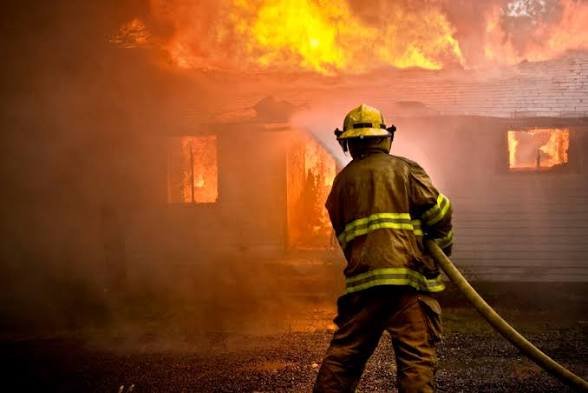
Home should be one of the safest places for a family, but everyday activities can create fire risks if basic precautions are overlooked. Cooking, electrical appliances, gas equipment, heating devices, candles, generators, and poorly stored household materials can all become sources of danger.
The good news is that many home-fire risks can be reduced through simple habits and preparation. Families do not need complicated plans to improve safety. They need to understand common hazards, maintain essential equipment, keep escape routes clear, and know what to do if an emergency occurs.
In Pakistan, fire safety is also addressed through the Building Code of Pakistan Fire Safety Provisions 2016. The Pakistan Engineering Council lists these provisions among its published building codes and standards. The provisions address areas including occupant notification, means of egress, fire-protection systems, and maintenance and testing.
This guide explains the most important aspects of home fire safety and how families can prepare before a fire happens.
Why Home Fire Safety Matters
A home fire can develop quickly, especially when combustible materials are nearby. Smoke may spread through rooms before family members realize where the problem started.
This makes prevention and early warning particularly important.
A good household fire-safety approach has several layers:
- Prevent avoidable fire hazards.
- Detect a fire as early as possible.
- Alert everyone in the home.
- Keep escape routes available.
- Teach family members how to respond.
- Maintain fire-safety equipment.
- Know where to meet after leaving.
- Contact emergency services when necessary.
No single device or precaution can provide complete protection. Instead, different safety measures should support one another.
1. Start With Electrical Safety
Electrical equipment is an important part of modern homes, but damaged wiring and overloaded electrical connections can create fire hazards.
Families should pay attention to warning signs such as damaged cables, unusual burning smells, sparks, loose connections, or electrical equipment becoming unusually hot.
Avoid overloading sockets with multiple high-power appliances. Extension cords should also be used appropriately and kept away from situations where they could be damaged.
Electrical problems that repeatedly cause circuit breakers or protective devices to trip should not simply be ignored. The underlying problem should be investigated by a suitably qualified person.
A useful household habit is to inspect visible cables and electrical equipment periodically rather than waiting until something fails.
2. Make Kitchen Safety a Daily Habit
The kitchen is one of the areas where heat, cooking equipment, electricity, and combustible materials can come together.
Simple precautions can reduce unnecessary risks.
Keep towels, paper products, packaging, curtains, and other combustible materials away from cooking equipment. Avoid leaving cooking unattended when there is a significant fire risk.
Families should also keep the area around cooking appliances reasonably clean and make sure equipment is used according to the manufacturer’s instructions.
If cooking produces an unexpected fire, people should prioritize their own safety rather than attempting actions that could increase the danger. When conditions become unsafe, leaving the area and getting professional emergency assistance is more important than protecting property.
Children should also be taught that cooking appliances are not toys and that they should ask an adult for help when necessary.
3. Pay Attention to Gas Appliances
Gas appliances require careful use and maintenance.
Families should follow the manufacturer’s instructions for gas equipment and have installations, connections, and appliances checked by appropriately qualified professionals when needed.
If a household notices an unusual gas smell, it should treat the situation seriously and follow appropriate emergency procedures rather than ignoring it.
Gas cylinders and other fuel sources should be stored and handled according to applicable safety guidance. They should not be placed where they can easily be exposed to excessive heat or damaged.
Good ventilation is also important for appliances that require it.
4. Install and Maintain Appropriate Fire Detection
Early warning can give occupants valuable time to respond.
A smoke alarm or an appropriately designed fire alarm arrangement can alert people to a developing fire before they notice it themselves.
Pakistan’s Building Code Fire Safety Provisions states that fire alarm systems should be provided where necessary in buildings where the fire itself may not provide adequate warning to occupants.
For residential properties, the appropriate detection arrangement depends on the home’s layout, size, occupancy, and applicable requirements.
A fire alarm system in Pakistan may involve different components depending on the property and system design. These can include smoke detectors, heat detectors, control panels, alarm notification devices, and power supplies. Flame Defender describes conventional and addressable systems as options for residential and other properties, with system selection depending on the building and its requirements.
The important point is that an alarm should not simply be installed and forgotten.
5. Test Fire Alarms Regularly
A fire alarm can only provide useful protection if it remains operational.
Families should follow the manufacturer’s instructions for testing, cleaning, battery replacement, and servicing. If a device produces a fault warning or does not operate as expected, the issue should be investigated.
Do not remove a battery or disable an alarm simply because its warning sound is inconvenient.
Regular maintenance is particularly important for systems with multiple components. Flame Defender notes that fire-safety equipment should be inspected and maintained rather than simply purchased and forgotten.
If an alarm repeatedly produces unwanted alerts, the underlying reason should be investigated rather than permanently disabling the device.
6. Keep Escape Routes Clear
A family may have only a short amount of time to leave during a serious fire.
For this reason, doors, corridors, stairs, and other routes used for escape should not become storage areas.
Do not place boxes, furniture, bicycles, equipment, or other unnecessary objects where they could obstruct an exit.
The Building Code of Pakistan Fire Safety Provisions states that means of egress should be arranged or marked so that the way to a place of safety is clearly indicated, and it addresses illumination of means of egress.
At home, families should know:
- The normal way out.
- Another possible exit where available.
- Which doors lead outside.
- Where everyone should meet.
- How children will be assisted.
- How older or mobility-limited family members will be supported.
7. Create a Family Escape Plan
An emergency is not the best time to decide what everyone should do.
Families can make a simple escape plan in advance.
Start by looking at the home’s layout. Identify bedrooms, living areas, kitchens, stairways, doors, and possible exits. Then discuss how everyone would leave if one route became unavailable.
Choose a meeting point outside the home. It should be far enough away from the building to provide a safer gathering location and should be easy for everyone to remember.
Children should be included in the discussion using simple, age-appropriate explanations.
The plan should emphasize leaving safely rather than returning for phones, toys, documents, money, or other belongings.
8. Teach Children About Fire Safety
Children need clear and simple instructions.
Parents can teach them:
- Fire and matches are not toys.
- Cooking appliances should only be used with appropriate adult supervision.
- A fire alarm must be taken seriously.
- They should tell an adult if they see smoke or fire.
- They should follow the family escape plan.
- They should not hide during an emergency.
- They should go to the agreed meeting place after leaving.
Flame Defender similarly recommends age-appropriate fire-safety education and teaching children to recognize alarms and follow an evacuation plan.
The purpose is not to frighten children. It is to make important actions familiar before an emergency happens.
9. Keep Suitable Fire Equipment Accessible
Depending on the home’s needs, suitable fire-safety equipment may include smoke alarms, fire extinguishers, and other protective equipment.
An extinguisher should not simply be purchased and placed somewhere difficult to reach.
Families should know where their equipment is located and ensure that it remains accessible and appropriately maintained.
Flame Defender’s recent maintenance guidance emphasizes that extinguishers and other fire-safety equipment can deteriorate or become unusable if they are neglected.
Equipment should be selected and maintained according to its intended use and the manufacturer’s instructions. Families should also understand that equipment does not replace evacuation when a fire becomes unsafe to approach.
10. Be Careful With Heating Equipment
Heating appliances can create risks when they are damaged, incorrectly positioned, or placed too close to combustible materials.
Keep combustible items away from heaters and use appliances according to manufacturer instructions.
Portable heating equipment should not be left operating in situations where it could create an avoidable hazard.
Electrical heaters should be connected safely, without inappropriate overloading of outlets or extension equipment.
At the end of a cold season, families should also store heating equipment appropriately and check its condition before using it again.
11. Use Generators Carefully
Generators can be useful where electricity supply is unreliable, but they introduce additional safety considerations.
Generators should be operated according to manufacturer instructions and positioned in an appropriate, well-ventilated location. Fuel should be handled and stored safely, and electrical connections should be properly managed.
A generator should never be treated like an ordinary household appliance.
Families should also consider the fire and carbon-monoxide risks associated with fuel-burning equipment and follow relevant safety guidance.
12. Keep Flammable Materials Stored Safely
Households can contain many combustible materials, including paper, cardboard, cleaning products, paints, fuels, aerosols, fabrics, and other items.
Storage should be organized so that these materials are kept away from unnecessary sources of heat or ignition.
Do not allow combustible storage to block doors, stairs, electrical panels, or escape routes.
During home renovation or construction, the risk can increase because additional materials and equipment may be present. Flame Defender notes that construction and renovation sites can contain materials such as timber, paints, solvents, insulation, and electrical equipment that require additional fire-safety attention.
13. Do Not Ignore Warning Signs
Small warning signs can sometimes indicate a larger safety problem.
Families should pay attention to:
- Burning smells from electrical equipment.
- Damaged power cables.
- Sparks or unusual electrical sounds.
- Appliances becoming abnormally hot.
- Repeated circuit interruptions.
- Damaged gas connections.
- Smoke or unusual heat.
- Fire alarms showing faults.
Ignoring these signs can allow a minor problem to become more serious.
When a technical problem requires inspection or repair, use a suitably qualified professional rather than attempting unsafe repairs.
14. Review Fire Safety Equipment Regularly
Fire safety is not a one-time project.
A home changes over time. Furniture moves, electrical appliances are added, children grow older, rooms may be renovated, and family members may change.
These changes can affect fire safety.
Families should periodically review:
Smoke and alarm equipment
Check that devices are operational and maintained according to manufacturer instructions.
Electrical equipment
Look for damaged cables, overloaded connections, and unusual signs of overheating.
Kitchen
Check cooking equipment, gas connections, and the surrounding area.
Escape routes
Make sure doors, stairs, and pathways remain clear.
Fire extinguishers
Check accessibility and maintenance status according to the manufacturer’s instructions.
Family plan
Make sure everyone still understands the meeting point and evacuation procedure.
The Building Code of Pakistan Fire Safety Provisions includes maintenance, inspection, and testing of fire-protection systems and equipment as part of its broader safety framework.
15. What Should You Do When a Fire Occurs?
Every fire is different, so the safest response depends on the circumstances.
The basic household priority should be people first.
If a fire is discovered, alert other occupants and follow the home’s emergency plan. If an alarm is sounding, take it seriously.
If the situation is growing, smoke is spreading, or the route is becoming unsafe, leave the building and seek emergency assistance.
Do not delay evacuation to collect personal belongings.
Do not return inside after leaving simply to retrieve something.
A fire alarm is an early-warning tool, not a guarantee that the building remains safe. The purpose of detection is to give occupants an opportunity to respond before conditions become more dangerous.
16. Why Regular Fire Safety Training Helps
Fire safety knowledge can become less effective if people never practise or review it.
Families can periodically discuss their escape plan and make sure everyone understands the alarm signal and meeting point.
Training is particularly important when children become old enough to understand emergency instructions or when older family members need additional assistance.
For households, training does not have to mean a complicated formal course. A short family discussion and occasional practice can help make the emergency plan familiar.
A Simple Home Fire Safety Checklist
Families can use this quick checklist:
- [ ] Smoke alarms are installed where appropriate.
- [ ] Alarms are tested and maintained according to instructions.
- [ ] Electrical cables and appliances are in good condition.
- [ ] Cooking areas are kept reasonably clear.
- [ ] Gas equipment and connections receive appropriate attention.
- [ ] Heating equipment is used safely.
- [ ] Generator arrangements are safe.
- [ ] Combustible materials are stored appropriately.
- [ ] Escape routes are clear.
- [ ] Family members know how to leave.
- [ ] Children understand the basic alarm response.
- [ ] Everyone knows the outdoor meeting point.
- [ ] Fire-safety equipment is accessible and maintained.
- [ ] The emergency plan is reviewed periodically.
The Role of Professional Fire Safety Services
Some homes, apartment buildings, and larger residential properties may require more than basic household precautions.
The appropriate fire detection and alarm arrangement can depend on the building’s design, occupancy, size, and risk profile. Professional assessment can help determine what type of system is appropriate.
Flame Defender provides fire alarm installation services for residential as well as commercial and industrial properties in Pakistan, including conventional and addressable systems.
For professional fire-safety information and services, homeowners can learn more through Flame Defender.
Conclusion
Home fire safety begins with everyday habits.
Families can reduce risks by using electrical appliances responsibly, maintaining cooking and gas equipment, storing combustible materials appropriately, keeping escape routes clear, and paying attention to warning signs.
Early detection is another important layer. A suitable fire alarm or smoke-detection arrangement can provide valuable warning, but it should work together with maintenance, evacuation planning, household education, and safe behavior.
Pakistan’s Fire Safety Provisions recognize the importance of occupant notification, clear means of egress, and properly maintained fire-protection systems.
Most importantly, every family should know what to do before an emergency happens. A simple plan, a clear meeting point, functioning safety equipment, and regular discussion can make home fire safety much more practical.
The goal is not to live in fear of fire. It is to prepare intelligently so that everyone knows how to reduce risks and respond safely if an emergency occurs.
Frequently Asked Questions
1. What is the most important part of home fire safety?
There is no single measure that provides complete protection. Prevention, early warning, clear escape routes, maintained equipment, and family emergency planning all work together to improve safety.
2. Why is a fire alarm system important for a home?
A suitable alarm can provide early warning when smoke, heat, or another fire-related condition is detected. The appropriate arrangement depends on the home’s size, layout, occupancy, and applicable requirements.
3. How often should families test their smoke alarms?
Families should follow the testing and maintenance schedule provided by the alarm manufacturer. They should also respond promptly to low-battery or fault warnings rather than disabling the device.
4. What should children know about home fire safety?
Children should know that fire is not a toy, alarms must be taken seriously, they should tell an adult about smoke or fire, follow the family’s evacuation plan, and go to the agreed meeting point after leaving.
5. Should a family try to put out every home fire?
No. Personal safety comes first. Firefighting should never delay evacuation or place occupants in an unsafe situation. When a fire is growing or conditions are dangerous, the priority should be leaving safely and getting professional emergency assistance.